HEAS Members Ron Pinhasi and Olivia Cheronet Publish Nature Paper on Unraveling the eastern Maghreb’s Ancient DNA
More On Article
- Demographic history and management practices shape the genomic landscape of New Zealand’s feral Kaimanawa Horses.
- HEAS Congratulates Dr Michelle Hämmerle
- A refined phylochronology of the second plague pandemic in Western Eurasia.
- Creating a brand. Genesis, transformation and diffusion of Qurayyah Painted Ware
- From Hair to Hearing: Genomes Reveal How Great Apes Adapted
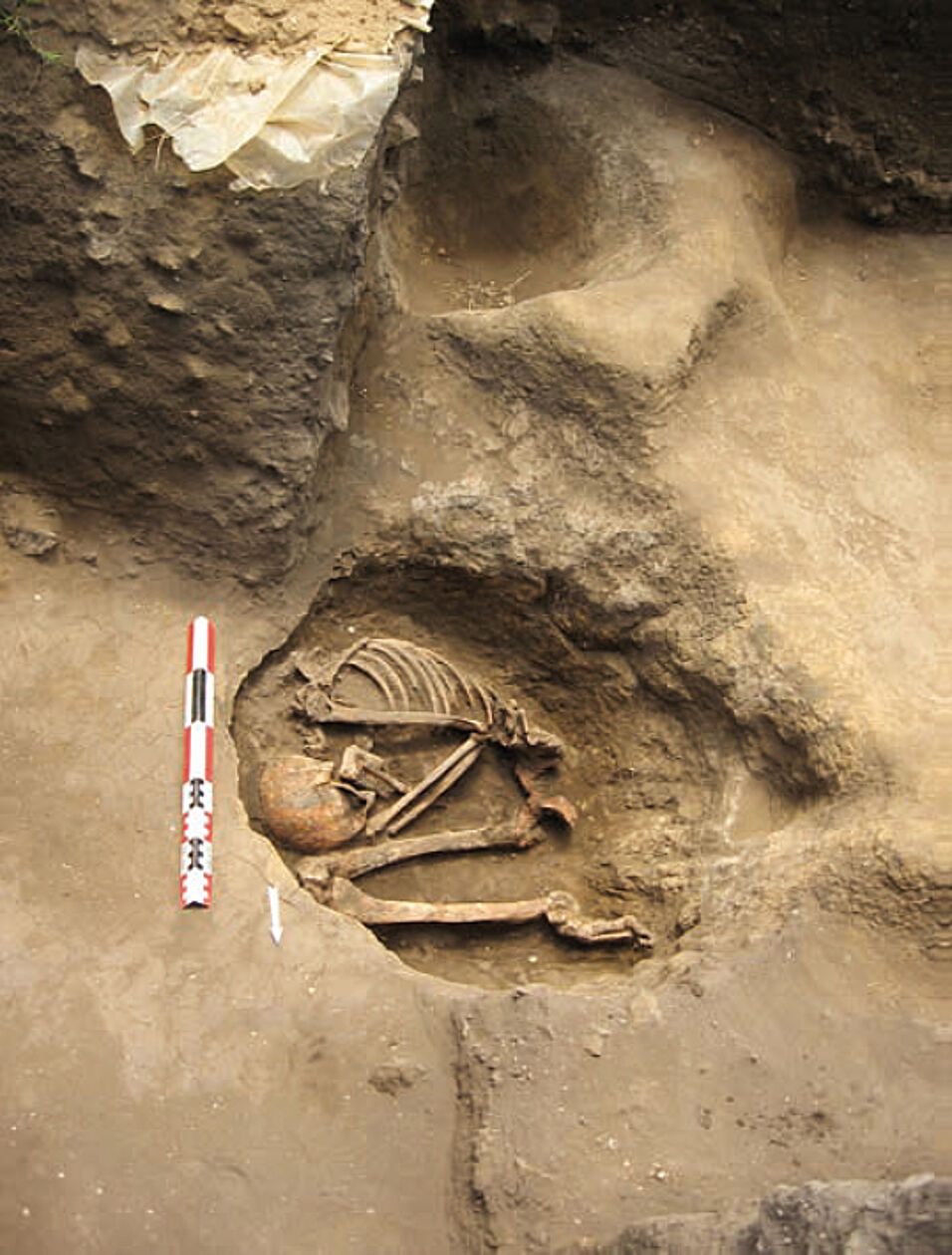
HEAS members Ron Pinhasi and Olivia Cheronet et al. published a paper in Nature on High continuity of forager ancestry in the Neolithic period of the eastern Maghreb.
The study published in Nature and co-led by Ron Pinhasi, University of Vienna, David Reich and Mark Lipson, Harvard Medical School, Alfredo Coppa, Sapienza University of Rome, and Giulio Lucarini, National Research Council of Italy, analyzed genome-wide data for nine individuals from the Later Stone Age through the Neolithic period from the eastern Maghreb (Algeria and Tunisia). Their results challenge the assumption that the region was merely a passive recipient of Neolithic influences – instead, they identified a striking pattern of continuity.
High continuity of forager ancestry in the Neolithic period of the eastern Maghreb