
Human childbirth is not uniquely difficult among mammals
More On Article
- Demographic history and management practices shape the genomic landscape of New Zealand’s feral Kaimanawa Horses.
- HEAS Congratulates Dr Michelle Hämmerle
- A refined phylochronology of the second plague pandemic in Western Eurasia.
- Creating a brand. Genesis, transformation and diffusion of Qurayyah Painted Ware
- From Hair to Hearing: Genomes Reveal How Great Apes Adapted
Human childbirth is widely believed to be uniquely difficult and risky in the animal kingdom. The dominant evolutionary explanation attributes this to the combination two human-defining traits: bipedalism (small pelvis!) and large brains (big-headed babies!).
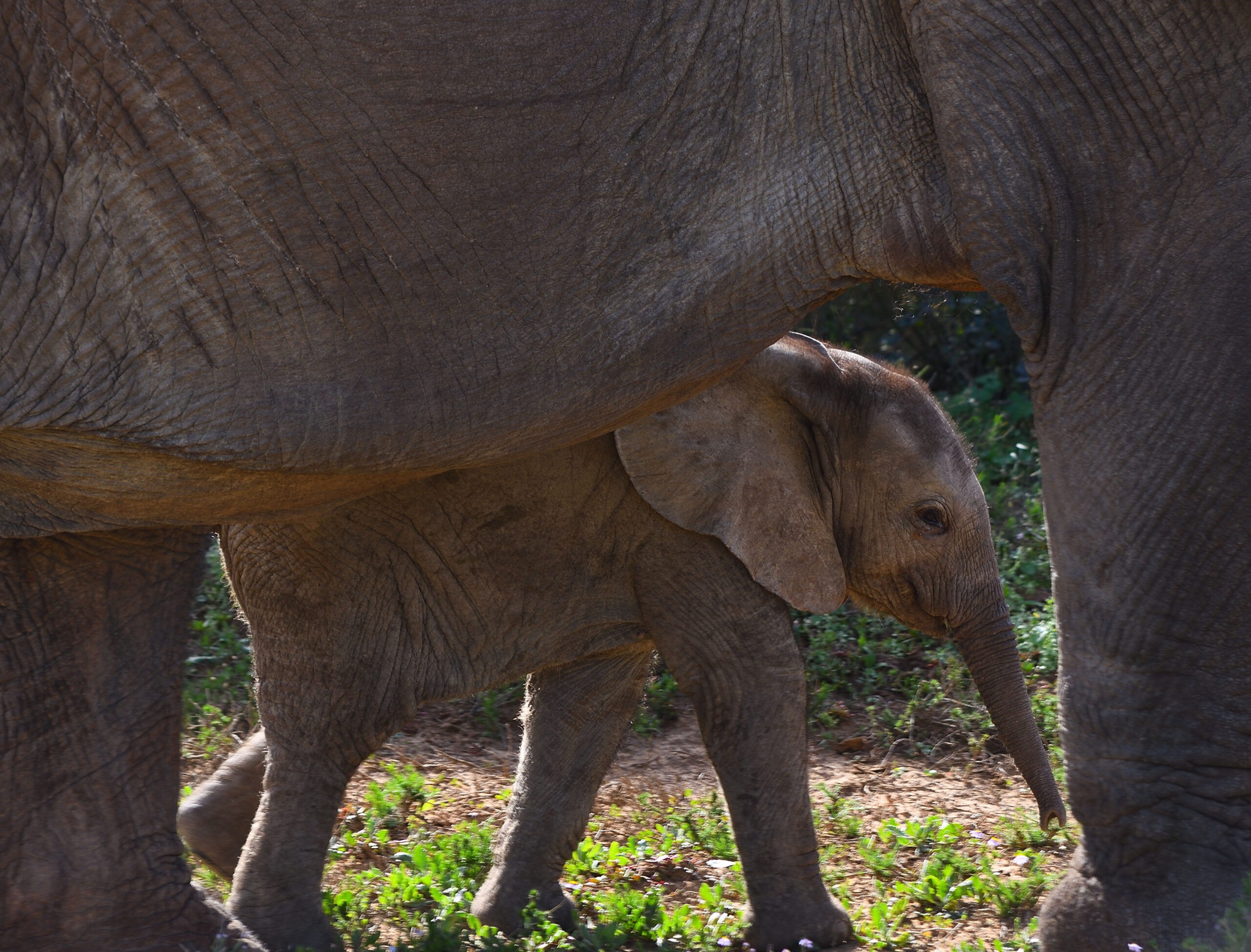
But a new comparative analysis of birth complications and birth-related mortality among mammals challenges this assumption. Quantitative and qualitative data on actual births and their outcomes in domesticated, captive and wild mammals show considerable overlap with humans in terms of complication frequencies, types of complications, and female mortality. Obstructed labor due to a baby that is too large to fit through the birth canal is well known in humans, but also in domesticated cows and sheep, captive elephants and primates, and has also been observed in sea lions, deer and other ungulates in the wild.
This demonstrates that humans do not have exceptionally difficult childbirth as long thought. It also shows that birth difficulties occur in a wide range of placental mammals irrespective of absolute and relative brain size, mode of locomotion, and indeed, the presence of a bony pelvis. Whales and dolphins lack a bony birth canal but still suffer from obstructed labor.
Such a mismatch between fetus and maternal pelvis is more common in precocial species delivering relatively large and well-developed offspring than in altricial species, which have smaller and rather underdeveloped young.
It is very likely that natural selection has not managed to weed out such complications – despite the clear fitness costs – due to strong selection on large birth size because of the increased survival chances of larger, more developed newborns. Phenotypic plasticity and the response to the nutritional environment contributes to variation in ‚feto-pelvic‘ fit, thereby also maintaining a certain baseline risk of mismatch and other complications.
Funding: Austrian Science Fund (FWF), grant ESP 485 (doi: 10.55776/ESP485)
This research was recently in the news:
Der Standard: Die schwere Geburt ist doch keine menschliche Spezialität
Die Zeit: Im Kreiβsaal der Tiere
Earth.com: Human childbirth is less unique than scientists once thought

Humans are not unique: difficult birth is common in placental mammals.