From Hair to Hearing: Genomes Reveal How Great Apes Adapted
More On Article
- Fire, temperature control, and silcrete heat treatment at Diepkloof and Mertenhof Rock Shelters, West Coast, South Africa
- Gerhard Weber and Harald Wilfing Retire
- HEAS Workshop in New Methodologies and Perspectives in Palaeolithic Archaeofauna takes place in Vienna.
- The gene-regulatory evolution of the human skeleton
- Demographic history and management practices shape the genomic landscape of New Zealand’s feral Kaimanawa Horses.
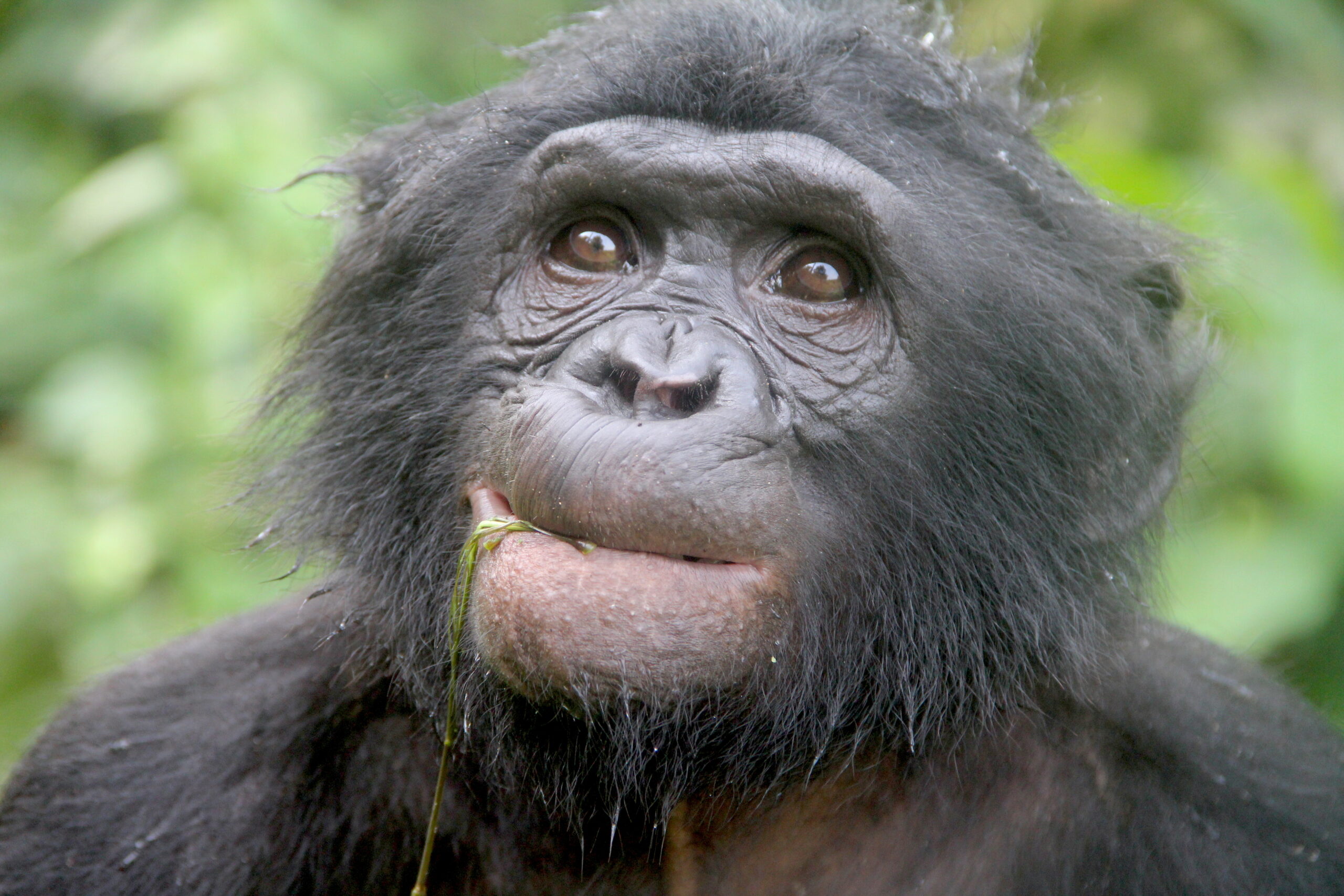
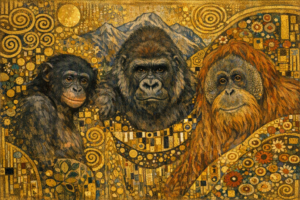
HEAS scientists have mapped the genetic “footprints” of natural selection across all great apes, offering fresh insight into how our closest living relatives adapted to their environments. By analysing genomic diversity in bonobos, chimpanzees, eastern and western gorillas, and Bornean and Sumatran orangutans, the team pinpointed gene regions recently favoured by evolution as well as long-standing “balancing” hotspots where different gene versions are maintained because each can be useful.
The team highlights DNA changes that likely helped each species thrive in its niche, from genes tied to sperm production that hint at intense mating competition, to sensory genes involved in vision and sound perception (including hearing in bonobos), to metabolism genes that may reflect different diets. Mountain gorillas stand out: an enrichment of hair-keratin genes points to thicker, longer coats suited to life at high altitude. Immune defenses also emerge as repeated battlegrounds, with some gene variants maintained because each can help against fast-evolving pathogens, and other immune genes showing recent selective surges across species. The study also flags candidates tied to social behaviour, potentially relevant to bonobos’ famously peaceful societies, and shows that even neighbouring ape populations may have faced different recent pressures. These findings deliver testable leads for future lab work and chart the diverse evolutionary paths that shaped great ape biology.
Funding: Vienna Science and Technology Fund (WWTF) grant 10.47379/VRG20001 (Martin Kuhlwilm); Austrian Science Fund (FWF) 10.55776/ESP546 (Sojung Han).