HEAS Member awarded Spanish Consolidator Research Grant for project “PHUMA”
More On Article
- At the onset of the Late Gravettian: An updated chronology and stratigraphy for the multi-layered Gravettian open-air site Grub-Kranawetberg I (Austria).
- New Chronology Sheds Light on Human Occupation just before the onset of the Last Glacial Maximum
- Fire, temperature control, and silcrete heat treatment at Diepkloof and Mertenhof Rock Shelters, West Coast, South Africa
- Gerhard Weber and Harald Wilfing Retire
- HEAS Workshop in New Methodologies and Perspectives in Palaeolithic Archaeofauna takes place in Vienna.
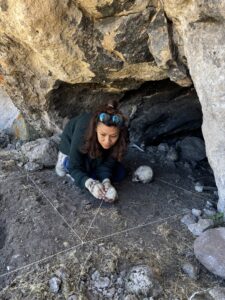
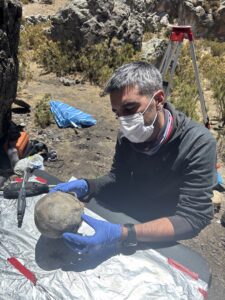
HEAS Network Associate José-Miguel Tejero is the Principal Investigator of the Spanish Consolidator Research Grant PHUMA (First Human Population of the Peruvian Andean Plateau), developed under the scientific co-direction of Leslye Valenzuela (French National Centre for Scientific Research, CNRS, and Pontificia Universidad Católica del Perú, PUCP). The project brings together several HEAS members, including Pere Gelabert, Olivia Cheronet, Tom Higham, Katerina Douka, and Mareike C. Stahlschmidt, alongside researchers from partner institutions: Xavier Mangado, Julien Le Guirriec, and Santiago Riera (University of Barcelona), Dagmara Socha (University of Warsaw), Ximena Suárez (University of São Paulo), Alessandra Caballero and Gerardo Vega Toscano (PUCP, Peru), Nick Taylor (Stony Brook University), and Lola Larssonneur (Paris 1 Panthéon Sorbonne University).
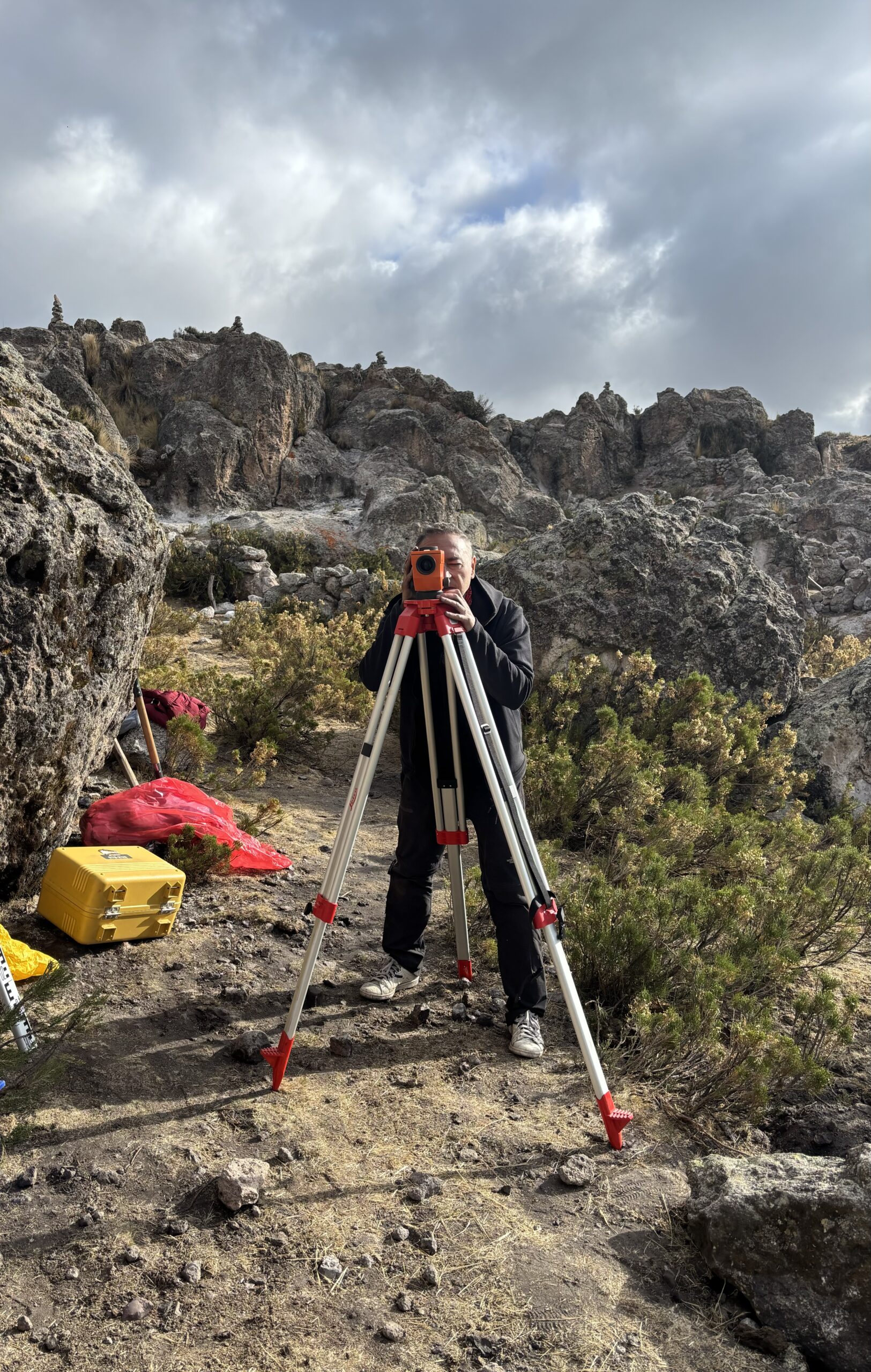
PHUMA is a pioneering project combining archaeological and biomolecular approaches, including ancient DNA (aDNA), sedimentary ancient DNA (sedaDNA), and paleoproteomics, to investigate the cultural and biological adaptations of the first human populations to settle permanently on the Peruvian Andean Plateau at altitudes exceeding 3,500 metres above sea level. The project addresses the formidable environmental pressures these populations faced, including hypoxia, extreme cold, intense solar radiation, and scarce food resources, during the transition between the Late Pleistocene and the Early Holocene. PHUMA will generate extensive genomic and archaeological datasets from some of the oldest known Pleistocene sites in the region, contributing to a more comprehensive understanding of the subsistence strategies and genetic identities of the first humans in the Andean Puna.
HEAS members will work in Peru, Vienna, and Barcelona, combining field and experimental work to address these questions. Funded with 190,000 euros by the Spanish State Research Agency (AEI), the project will run from April 2026 to April 2028.