HEAS Members Publish a Cambridge Elements booklet on Ceramic Analysis : Laboratory Methods
More On Article
- Fire, temperature control, and silcrete heat treatment at Diepkloof and Mertenhof Rock Shelters, West Coast, South Africa
- Gerhard Weber and Harald Wilfing Retire
- HEAS Workshop in New Methodologies and Perspectives in Palaeolithic Archaeofauna takes place in Vienna.
- The gene-regulatory evolution of the human skeleton
- Demographic history and management practices shape the genomic landscape of New Zealand’s feral Kaimanawa Horses.
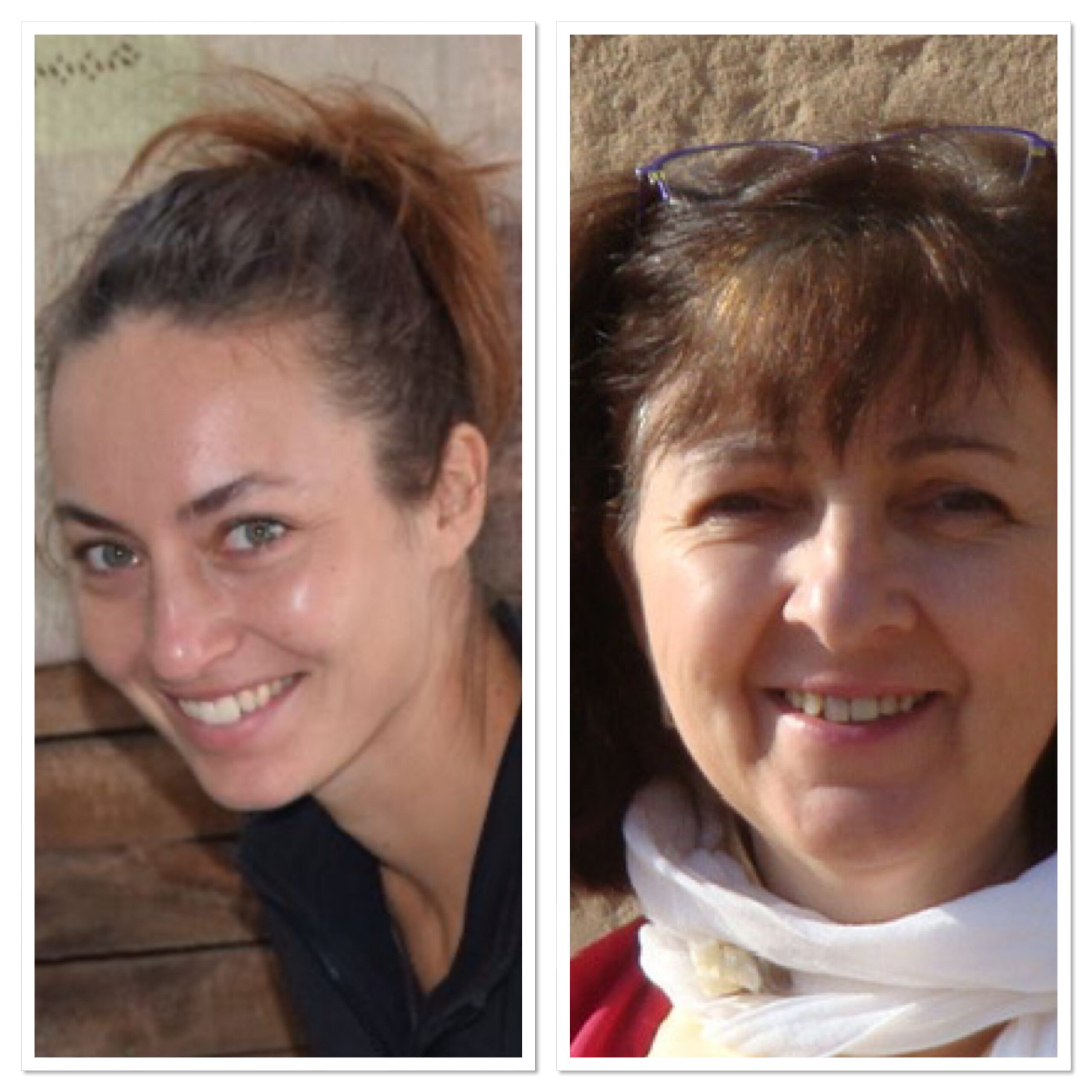
HEAS Team leaders Michaela Schauer and Irmgard Hein et al. have recently published a Cambridge Elements booklet on Ceramic Analysis: Laboratory Methods. Link to the publication is here.
This Element, authored by a team of specialist researchers, provides an overview of the various analytical techniques employed in the laboratory for the examination of archaeological ceramic materials.
Pottery represents one of the earliest technical materials used by humans and is arguably the most frequently encountered object in archaeological sites. The original plastic raw material, which is solidified by firing, exhibits a wide range of variations in terms of production methods, material, form, decoration, and function. This frequently presents significant challenges for archaeologists. In modern laboratories, a variety of archaeometric measurement methods are available for addressing a wide range of archaeological questions. Examples of these include determining the composition of archaeological materials, elucidating the processes involved in manufacturing and decoration, estimating the age of archaeological material, and much more. The sections present available methods for analysing pottery, along with an exploration of their potential application.