New Paper Published!
More On Article
- At the onset of the Late Gravettian: An updated chronology and stratigraphy for the multi-layered Gravettian open-air site Grub-Kranawetberg I (Austria).
- New Chronology Sheds Light on Human Occupation just before the onset of the Last Glacial Maximum
- Fire, temperature control, and silcrete heat treatment at Diepkloof and Mertenhof Rock Shelters, West Coast, South Africa
- Gerhard Weber and Harald Wilfing Retire
- HEAS Workshop in New Methodologies and Perspectives in Palaeolithic Archaeofauna takes place in Vienna.
HEAS members Philip R. Nigst and Marjolein D. Bosch published new paper on Fire Use during the Last Glacial Maximum at Korman‘ 9, Ukraine
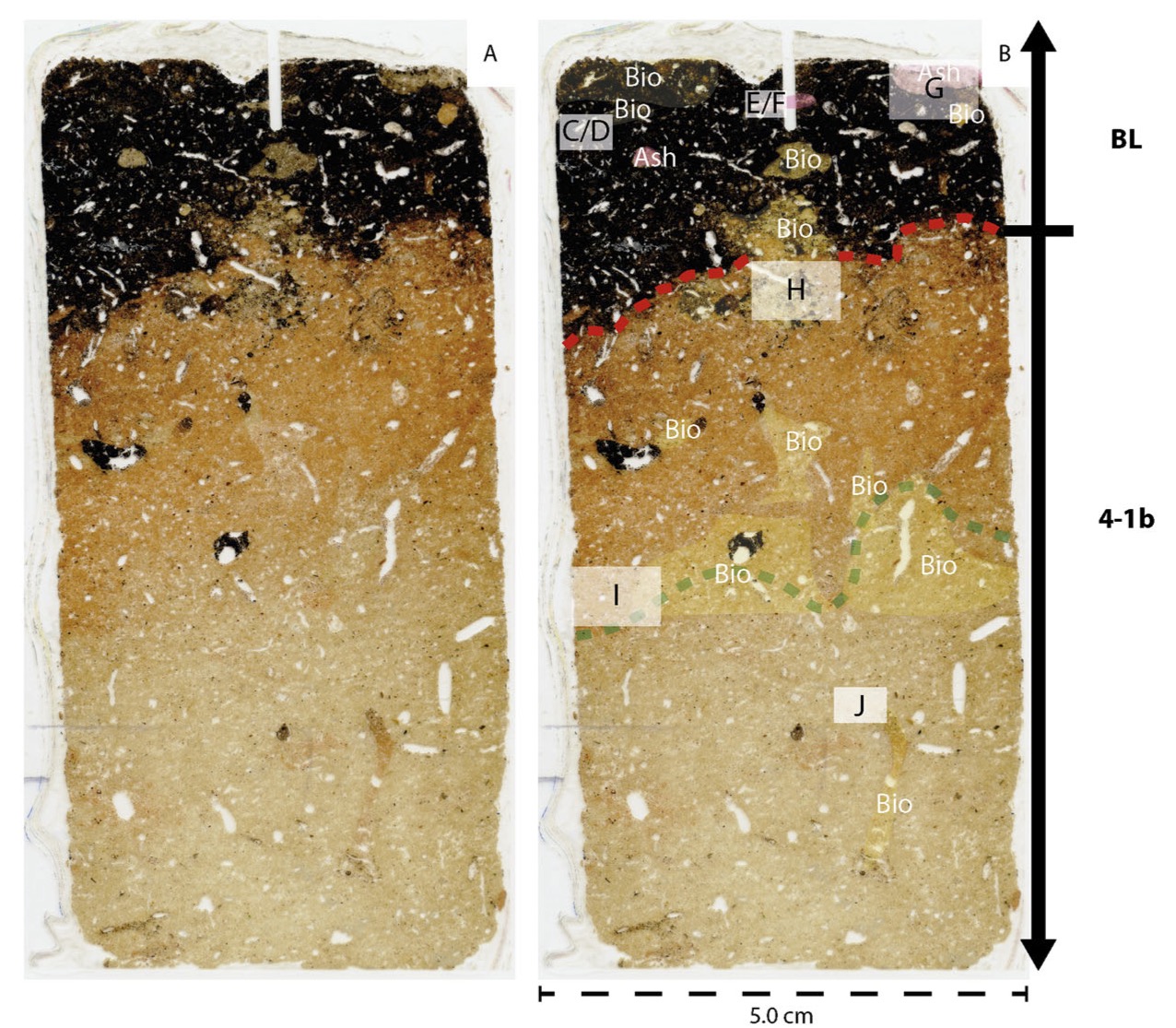
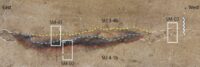
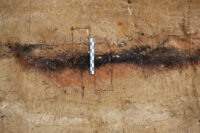
We are very pleased to announce our latest publication on our research on fire use and combustion activties during the Last Glacial Maximum in collaboration with William Chase Murphree, University of Algrave (Faro, Portugal). We analysed three combustion features at the Epigravettian site of Korman‘ 9 in the Middle Dnister valley, Ukraine. Our paper was published in Geoarchaeology. Open-access.
The Last Glacial maximum (LGM), spanning from 26.5 to 19 thousand years before present (ka BP), is a period of extreme climatic degradation associated with reduced biomass production and resource stress throughout Eurasia. Arguably, one of the most fundamental tools for human survival during this cold and arid period was the ability to create, maintain and use fire. While fire is widely considered a ubiquitous tool in modern human behaviour, there are surprisingly few well‐described combustion features during the LGM in Europe. In this paper, we provide high‐resolution geoarchaeological research into three combustion features associated with Epigravettian occupations at the site of Korman‘ 9 (Ukraine) with ages falling in the LGM. Our results show distinct variations in the size and structure of the combustion features, potentially indicating multiple occupations within the same layer or reflect differences in site organization or function during a single occupation. Additionally, our analysis shows clear evidence of the effect of solifluction and the lack of preservation of the ash layer(s) of the combustion features, as well as the development of bioturbation features enhanced by anthropogenic input. To better estimate heating temperatures of the combustion events, we employed a novel approach using colour analysis showing temperatures reaching 600°C in the substrate underlying the combustion features. In all, the combustion features at Korman‘ 9 provide invaluable new insights as well as high resolution description of pyrotechnological behaviours during the LGM, which has been lacking during this critical period in our evolutionary history.

More information:
https://palaeo.univie.ac.at/news/news-details/news/new-paper-published-13/