HEAS Members Publish Nature Communications Article with HEAS Speaker
More On Article
- At the onset of the Late Gravettian: An updated chronology and stratigraphy for the multi-layered Gravettian open-air site Grub-Kranawetberg I (Austria).
- New Chronology Sheds Light on Human Occupation just before the onset of the Last Glacial Maximum
- Fire, temperature control, and silcrete heat treatment at Diepkloof and Mertenhof Rock Shelters, West Coast, South Africa
- Gerhard Weber and Harald Wilfing Retire
- HEAS Workshop in New Methodologies and Perspectives in Palaeolithic Archaeofauna takes place in Vienna.
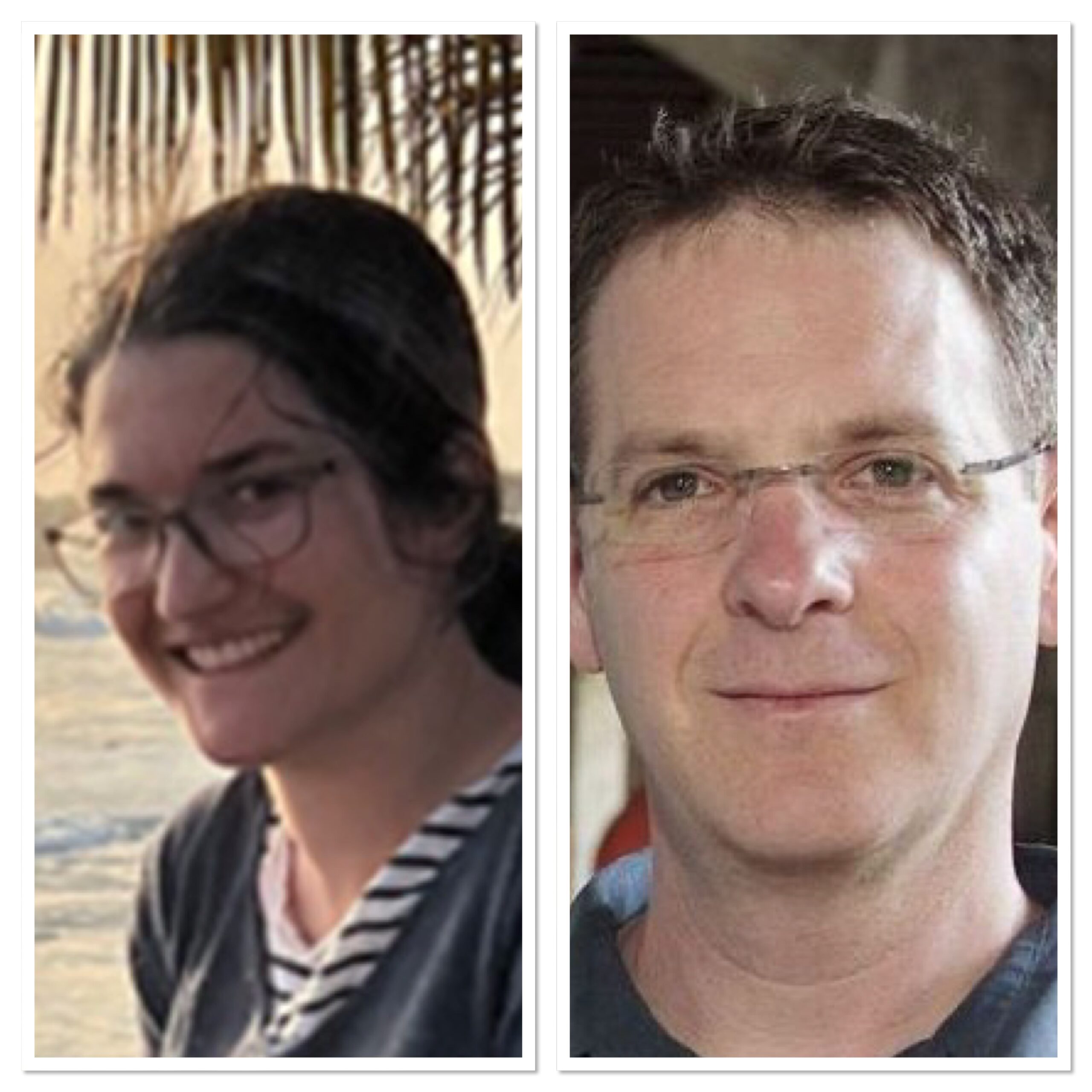
In the article recently published in Nature Communications, the team looked at the dynamics of Late Neolithic and Copper Age (4,800-3,900 BCE) Carpathian populations. The study revealed that, despite contemporaneity and geographical proximity, individual communities can display very different patterns. The site of Tiszapolgár-Basatanya (present-day Hungary) was represented by numerous, close familial relationships with high levels of consanguinity, whereas the cemetery of Urziceni-Vamă (present-day Romania), located only about 100 km away, was represented by a genetically diverse population, with indications of a matrilocal society.
Ancient DNA reveals diverse community organizations in the 5th millennium BCE Carpathian Basin