HEAS Member story part of COST iNEAL project success story featured on the COST website
More On Article
- Demographic history and management practices shape the genomic landscape of New Zealand’s feral Kaimanawa Horses.
- HEAS Congratulates Dr Michelle Hämmerle
- A refined phylochronology of the second plague pandemic in Western Eurasia.
- Creating a brand. Genesis, transformation and diffusion of Qurayyah Painted Ware
- From Hair to Hearing: Genomes Reveal How Great Apes Adapted
Our Neanderthal heritage
Did you know that there were once several Neanderthal groups, but only some of them encountered modern humans and had offspring? This means some people today still carry a fraction of the original Neanderthal genome.
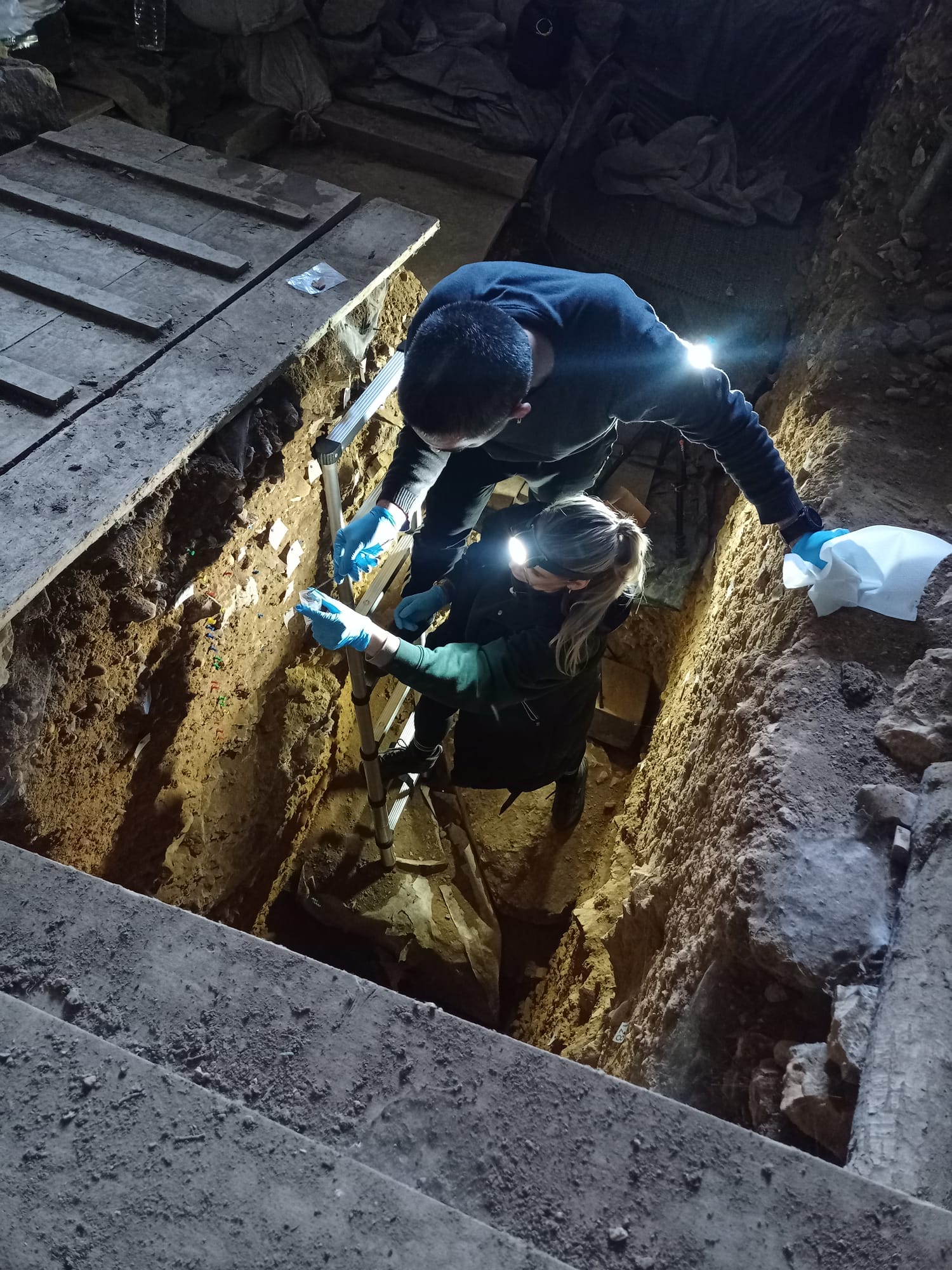
The Neanderthals were the first truly pan-European human population. Traces of them span more than 250,000 years and can be found across Europe. However, until recently, our understanding of them was fragmented: different countries had their own datasets, and scientists specialising in archaeology, anthropology, genetics and geology often worked in isolation.
To unite this knowledge, the COST Action ‘Integrating Neanderthal Legacy: From Past to Present’ (iNEAL) brought together experts from across the continent. They shared data, aligned their research methods, and created a more complete picture of who the Neanderthals were and how they lived.
Connecting minds and reconstructing the past
“The Action developed a shared database and research guidelines, helping researchers across Europe work with the same standards”, explained Professor Ivor Janković, Chair of the Action from the Institute for Anthropological Research in Croatia.
A major result was the Catalogue of Neandertal Sites, listing 127 archaeological sites across the continent. “This publication is already being used by scholars”, said Ivor Janković. “And we’re committed to continuing data collection for a future update that will serve as a starting point for all Neanderthal research.”