HEAS Partner Institution VIAS spearheading p-XRF research for archaeometry
More On Article
- At the onset of the Late Gravettian: An updated chronology and stratigraphy for the multi-layered Gravettian open-air site Grub-Kranawetberg I (Austria).
- New Chronology Sheds Light on Human Occupation just before the onset of the Last Glacial Maximum
- Fire, temperature control, and silcrete heat treatment at Diepkloof and Mertenhof Rock Shelters, West Coast, South Africa
- Gerhard Weber and Harald Wilfing Retire
- HEAS Workshop in New Methodologies and Perspectives in Palaeolithic Archaeofauna takes place in Vienna.
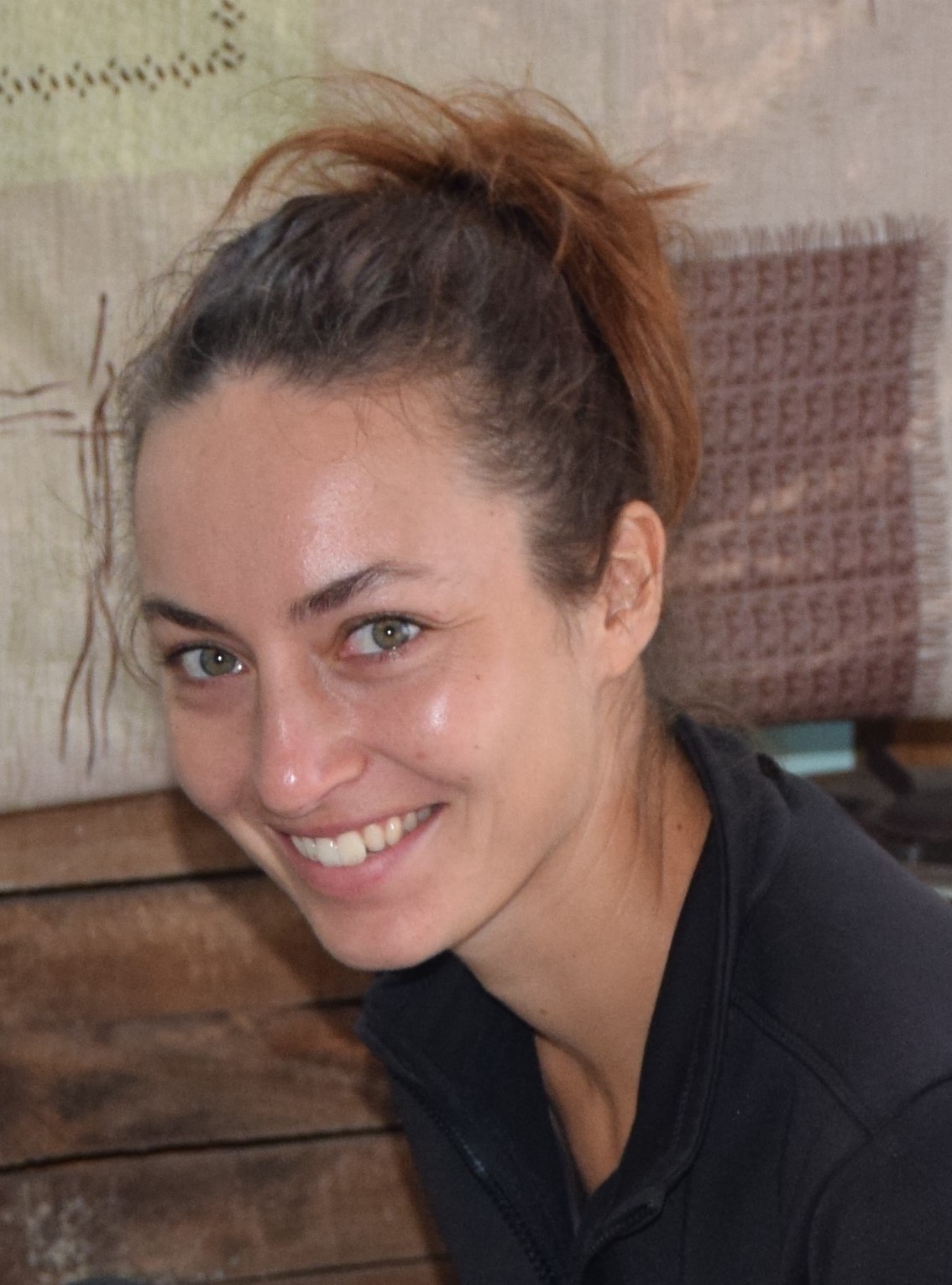
Starting in October 2023, VIAS will host for the next three years the FWF ESPRIT project “Standardising portable X-ray fluorescence for archaeometry” led by early career researcher Michaela Schauer. Having recently completed her award-winning doctoral thesis on Linearband and La Hoguette pottery at Ludwig-Maximilians-University Munich, she will now study p-XRF instruments and the specifics of their application to archaeological material with a focus on understanding the influence of different environmental conditions. An archaeologist by training, she has gained in-depth knowledge by applying this chemical analysis method mainly to pottery and soils in more than 30 projects over the past seven years. During this time she has encountered a wide range of unresolved issues relating to the equipment, its application to ancient ceramics, data processing and interpretation. Her research project focuses on experiments to improve our understanding of the former and to develop solutions to the latter, defining standards for the application of the method. Her results will be discussed within a network of experts who also contribute to the creation of appropriate training programmes for researchers and students interested in the method. She will introduce herself and her research in the HEAS Pecha Kucha Series in the upcoming weeks.