Department of Evolutionary Anthropology (DEA) Members

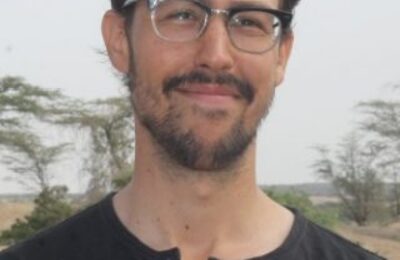
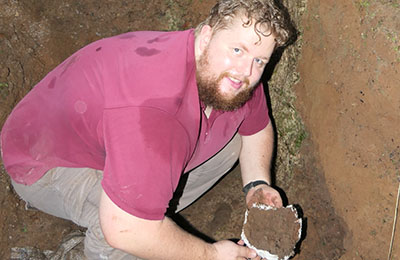
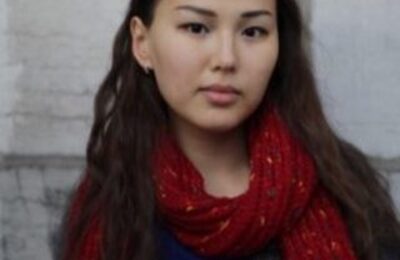
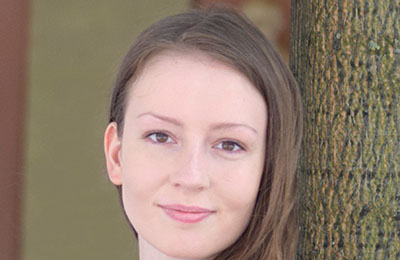
Meriam GUELLIL

I am an expert in ancient microbial phylogenomics and metagenomics, particularly of human pathogens. I am particularly interested in the study of diseases that are invisible in the archaeological and osteological record, and the study of their evolution throughout human history. My previous research includes studies on microbial species such as Yersinia pestis, Haemophilus influenzae, Borrelia recurrentis and Herpes simplex 1. The focus of my laboratory work is the design of target enrichment strategies and kits, as well as their applications. Computationally, I have developed workflows for pathogen detection in ancient DNA datasets and work on developing analytical frameworks to reconstruct ancient genomes and maximize the information they can give us when studied within modern diversity. I was awarded a BA in Prehistoric Archaeology from the University of Vienna, an MSc in Human Osteology from the University of Sheffield and a PhD in Genomics from the University of Oslo. I joined the Department of Evolutionary Anthropology at the University of Vienna in September 2022 as an ESPRIT FWF project leader and senior postdoctoral researcher.

Department of Evolutionary Anthropology (DEA) Members

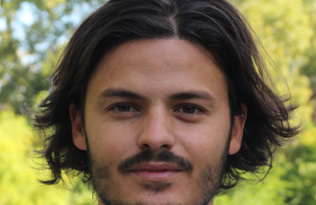
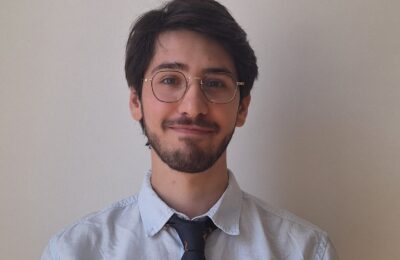
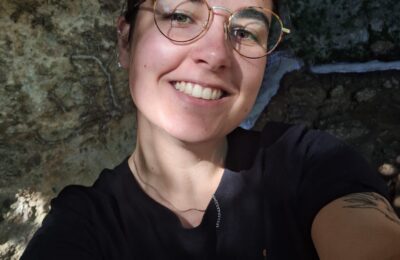
Olivia CHERONET

I am a post-doctoral researcher in the department of Evolutionary Anthropology at the University of Vienna, and the lab manager of Ron Pinhasi's ancient DNA lab. Following an undergraduate training in Paleobiology and a PhD in physical anthropology, I have a particular interest in using this knowledge to improve and optimise ancient DNA sampling methods, by making them more efficient and less destructive to invaluable archaeological skeletons.

Department of Evolutionary Anthropology (DEA) Members

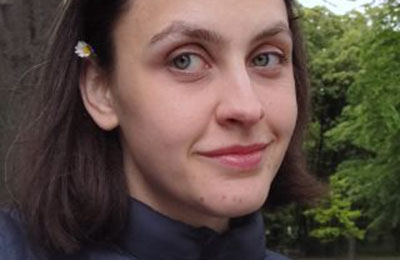
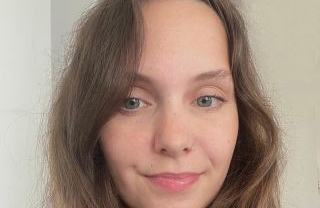
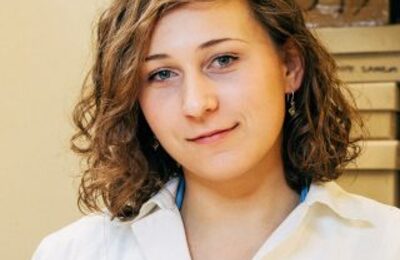
Laura VAN DER SLUIS

I am a senior scientist in the team and laboratory of Tom Higham and Katerina Douka in the Department of Evolutionary Anthropology at the University of Vienna. My background is in archaeology, radiocarbon dating and stable isotope analysis on human and faunal remains for palaeodietary purposes. Previous projects I have worked on involved extinct giant tortoise bones from Mauritius, prehistoric human and faunal material from the Limfjord in Denmark, and Palaeolithic whale bone objects from France and Spain. I am interested in human-environmental interactions in the past, human evolution, and the effect of diagenetic alterations on isotopic signatures in bone and teeth.

Members

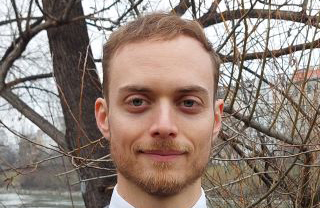
Emese VÉGH

Emese Végh is a FWF ESPRIT Principal Investigator on the project titled ‘Human Evolution Beyond Collagen (HUMEVCOL)’ at the Department of Evolutionary Anthropology, University of Vienna. Mentored by Tom Higham, Emese aims to pioneer single amino acid radiocarbon dating techniques targeting γ-carboxyglutamic acids (Gla)-containing proteins in bones that do not preserve collagen, which is often the case for fossil bones recovered from (sub-)tropical areas. This innovative approach is set to revolutionise the analysis and dating of key archaic hominin remains. Previously, Emese led the ‘Hidden by Fire’ project as an FWO Postdoctoral Research Fellow at the Vrije Universiteit Brussel (VUB), under the guidance of Christophe Snoeck and Steven Goderis. Her research there centred on the consistency, contamination, and diagenetic potential of elemental concentrations in bone burnt at various temperatures, their interaction, as well as the efficacy of pretreatment methods on cremated bone before stable isotopic analysis and radiocarbon dating. Before that, she was also a Postdoctoral Researcher in Palaeoproteomics on Katerina Douka’s ERC FINDER project at the Department of Evolutionary Anthropology, University of Vienna, analysing and identifying faunal and hominin remains from Pleistocene Eurasia and developed the SpecieScan algorithm for semi-automated species identification of bone fragments from MALDI-ToF-MS spectra. Emese completed her DPhil in Archaeological Science at the University of Oxford, focusing on the diagenesis and thermal stability of bioapatite,…

Department of Evolutionary Anthropology (DEA) Members

Annette OERTLE

I am a postdoctoral fellow with the Douka Palaeoproteomics and ZooMS laboratory in the Department of Evolutionary Anthropology at the University of Vienna. As an archaeological scientist (zooarchaeologist) I specialise in collagen peptide fingerprinting (ZooMS) and archaeomalacology. My research interests lie in tropical, coastal and island archaeology with particular focus on Australia, the Pacific Islands and Island South East Asia (ISEA). I am interested in questions regarding human evolution, changes in subsistence behaviours, and site formation processes. I completed my PhD in 2019 from the University of Sydney, Australia, and was a postdoctoral researcher on the ERC FINDER project based at the Max Planck Institute SHH Jena, Germany. I am currently a Marie-Skłodowska Curie Postdoctoral Fellow leading project DENI-CESTOR (DENIsovan anCESTORs in Sahul: deciphering human evolution through molecular techniques) and PI on a Leaking Foundation Grant (Using ZooMS to identify new human fossils in archaeological deposits in Papua New Guinea). Marie-Skłodowska Curie Postdoctoral Fellow (2022-2024) Principal Investigator: Leakey Foundation Grant (2022-2023)

Department of Environmental Geosciences (EDGE) Members

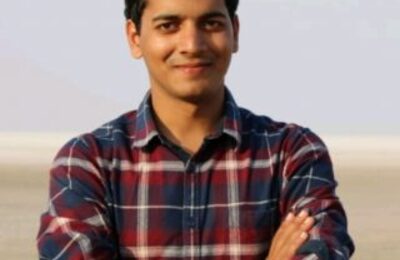
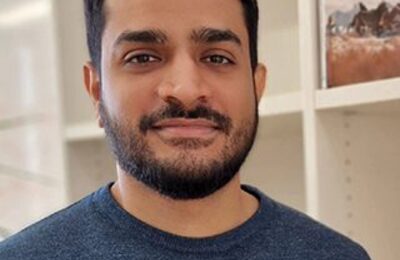
Veer Vikram SINGH

I am a Ph.D. candidate at the Department of Environmental Geosciences (EDGE), University of Vienna. I completed my M.Sc. at the Indian Institute of Technology Bombay, India, where I studied clay chemistry and mineralogy to understand the formation of bole beds (clay-rich horizons) present in Deccan basaltic flows. My doctoral research is a part of the research platform MINERVA (Mineralogical Preservation of the Human Biome from the Depth of Time), a collaboration between EDGE and the Department of Evolutionary Anthropology of the University of Vienna. In my doctoral research, I am focusing on understanding the roles of environmentally relevant minerals such as clays, iron oxides, hydroxyapatite and calcite in preserving the DNA against the common degradational agents such as nucleases, reactive oxygen species and ionizing radiation. My work will help develop a better understanding of the role of minerals in the long-term preservation of the human genome in the environment.  

Department of Prehistoric and Historical Archaeology (IUHA) Members

Tom MALTAS

I am a Postdoctoral Researcher in Environmental Archaeology on the 'Migration and the Making of the Ancient Greek World' (MIGMAG) project at the Institute for Classical Archaeology, University of Vienna. My research uses archaeobotany and stable isotope analysis to understand the roles of farming in societal change in the prehistoric Mediterranean. For MIGMAG, I am investigating changes in land use and agricultural production strategies that may have accompanied mobility, demographic change and urbanisation in the Iron Age Mediterranean. I recently completed a DPhil (PhD) at the University of Oxford, where I analysed archaeobotanical assemblages from Chalcolithic and Bronze Age western Anatolia.

Department of Evolutionary Anthropology (DEA) Members

Cinzia FORNAI

I am an evolutionary anthropologist and morphometrician by training, with consolidated experience in Dental Anthropology. Over the course of my PhD program in Biology through the Department of Evolutionary Anthropology, University of Vienna (concluded in 2015), I have specialized in the use of virtual image techniques and geometric morphometrics for the exploration of hominin dental variation (http://othes.univie.ac.at/38865/1/2015-07-11_0963308.pdf). My postdoctoral research through the within the Evolutionary Morphology group of the Institute of Evolutionary Medicine, University of Zurich, focused on the evolutionary aspects of human birth and the investigation of the pelvis in hominoids. Currently affiliated with the Department of Evolutionary Anthropology, I continue research in Dental Anthropology, while being the scientific coordinator of the Vienna School of Interdisciplinary Dentistry www.viesid.com, where I focus on topics relevant to oral medicine such as functional morphology of the stomatognathic system and its clinical implications.

Department of Evolutionary Anthropology (DEA) Members

Jeannette BECKER

I am a PhD student at the Department of Evolutionary Anthropology and especially interested in respiratory diseases in past populations, palaeopathology, evolutionary medicine and diseases in regard of the human life history. I received a BSc in Biology in 2017, followed by a MSc in 2021 from the University of Vienna. I completed my master’s degree in Anthropology where I investigated paranasal sinusitis and their relation to skeletal stress markers in human remains. In addition, I am currently studying medicine at the Medical University of Vienna, which I will complete in 2022.

Department of Evolutionary Anthropology (DEA) Members

Sonja WINDHAGER

Sonja Windhager is a trained biologist and lecturer in Evolutionary Anthropology at the University of Vienna. Her research focus is on geometric morphometric approaches to human facial shape and interpersonal perception. This includes an interest in modern imaging techniques to study human facial form in two and three dimensions. The emphasis is on the use of calibrated morphs in intra- and cross-cultural research. Furthermore, she investigates human social behavior in the context of biophilia and the urban environment.

Research Areas:
Department of Evolutionary Anthropology (DEA) Members

Bernhard FINK

Bernhard Fink received his PhD in Biological Anthropology from the University of Vienna (Austria). He then moved to the University of Göttingen (Germany) where he held prestigious grants from the German Science Foundation (DFG) to investigate the social perception of human facial/body morphology and body movements, such as dance and gait. His work comprises the study of cross-cultural similarities and differences in human social perception, including research in pre-industrialized (small-scale) societies. Bernhard has worked extensively on digit ratio (2D:4D), a supposed proxy for prenatal androgenization. Together with John Manning (Swansea University), he examines 2D:4D relationships with sex-dependent traits across nations in a large sample from the BBC internet study.

Vienna Institute for Archaeological Science (VIAS) Members

Emily J. KATE

Emily J. Kate is bioarchaeologist specializing in radiocarbon dating, isotopic studies of paleodiet and migration, human osteology and paleodemography, and has worked with projects from Mexico, Belize, Guatemala, and in Europe. Her interests include the manner in which paleodietary variation and changing trends can be used to assess shifts in social structure, political organization, and resilience, the effects of long-distance migration on the social and political landscape of societies, and the refinement of regional chronologies through targeted radiocarbon programs and Bayesian modeling. Emily is currently the Project Coordinator for the ERC funded SUSTAIN project at the Vienna Institute for Archaeological Science and is also an editor for the Cambridge University Press book series, Elements in Ancient and Premodern Economies.

Department of Evolutionary Anthropology (DEA) Members

José-Miguel TEJERO

José-Miguel Tejero is an archaeologist specialising in Upper Palaeolithic hunter-gatherer societies and their osseous raw material exploitation. He is currently Ramón Y Cajal Program Senior Researcher at the University of Barcelona (Spain) and Senior Research Fellow at the Department of Evolutionary Anthropology of the University of Vienna. His current research, funded by the FWF, focuses on bone and antler hunting weapons and their significance in adaptative environmental strategies of the first anatomically modern humans colonising Eurasia by combining archaeological, palaeogenetic, palaeoproteomics, and radiodating methods. His work also involves the bone equipment of the Western-European societies at the late Upper Palaeolithic (Magdalenian) and the last Levantine hunter-gatherer groups, beginning to practice the sedentarism (Natufian). He is the research leader of the interdisciplinary and international team for the study and publication of one of the most critical Near East Natufian sites: Einan–Ain-Mallaha (Jordan Valley, Israel), funded by the Shelby White and Leon Levy Foundation.

Department of Evolutionary Anthropology (DEA) Members

Lumila Paula MENÉNDEZ

I am a biological anthropologist specialized in human evolution and biocultural diversity in the Americas. I was born in Argentina, where I also conducted my studies and most of my training. Currently, I am leading two projects, one funded by the German Foundation for Scientific Research (DFG), aims to study cranial variation in individuals from South America, for evaluating the role of evolutionary and ecological factors during the human diversification across the whole Holocene; and the other, funded by the German Academic Exchange Service (DAAD), points to validate virtual anthropology protocols for contributing in the forensic human identification in Mexico. To tackle these issues, I apply imagining techniques, geometric morphometrics methods, as well as multivariate statistics, and I work interdisciplinary collaborating with archaeologists, geneticists, forensic experts, biologists, linguists, and philosophers of science.

The Austrian Academy of Sciences (ÖAW) Vienna Institute for Archaeological Science (VIAS) Members

Magdalena BLANZ

I am a postdoctoral researcher at the Vienna Institute for Archaeological Science (VIAS) and the Austrian Archaeological Institute, where I work on stable isotope ratios of bioarchaeological remains. Originally trained as an environmental analytical chemist, my interests have always been in analysing archaeological remains. For my PhD I focussed on the identification and interpretation of seaweed consumption by terrestrial mammals in archaeological contexts. During my postdoc, I am researching the first introductions of domesticated animals and plants into Europe, focussing on dietary patterns and plant growth conditions. I am particularly interested in method development and acquiring modern reference data for stable isotope ratio studies.

Department of Evolutionary Anthropology (DEA) Vienna Institute for Archaeological Science (VIAS) Members

Brina ZAGORC

I am an archaeologist and currently a PhD student in Ron Pinhasi's Lab group. My research areas include studying relationships between and within past societies, and I am especially interested in the field of bioarchaeology of children. The main focus of my PhD project is to observe sex-specific variations in subadult health status during Antiquity and Early Medieval times. My work includes aDNA analysis and other bioarchaeological methods where I compare the occurrence of physiological stress indicators, and other paleopathological indicators of bad health, in relation to the biological sex of the studied individuals. This will help me address questions on upbringing, weaning patterns, and overall health of the subadult population in the past.

Department of Evolutionary Anthropology (DEA) Members

Petra ŠIMKOVÁ

I am an evolutionary anthropologist and trained morphometrician. I obtained my PhD in Evolutionary Anthropology from the Department of Evolutionary Anthropology at the University of Vienna, where I specialized in the use of 3D virtual imaging techniques combined with geometric morphometrics to study modern human dental variation. My research interests include hominin evolution, dental and functional morphology, and paleopathology. Currently, I am a postdoctoral researcher at the University of Vienna, continuing my research in dental anthropology. I focus on examining morphological variation within and between the dentitions of modern human populations, as well as those of prehistoric populations and other hominins.

Department of Evolutionary Anthropology (DEA) Members

Xin HUANG

I am an evolutionary biologist and has been working on method development for solving different problems with population genomic data, including detecting positive selection, estimating strength of natural selection, quantifying time-varying selective pressures, inferring the distribution of fitness effects, and detecting archaic admixture. I will continue to investigate many other interesting topics in the future.

Vienna Institute for Archaeological Science (VIAS) Members

Nisa Iduna KIRCHENGAST

Nisa Kirchengast studied Classical Archaeology, Prehistory and Historical Archaeology, and Biology at the University of Vienna. Since 2017 she has been working freelance on zooarchaeological material in Austria and Italy. Since 2021 she is a PraeDoc assistant and fellow at the Doctoral School of Historical and Cultural Studies at the University of Vienna. Her PhD project is about Roman food supply and distribution systems of animal products in the Danubian provinces. Nisa's research focuses on butchery studies, taphonomy, animal husbandry practices, foodways, Human-Animal interactions, trade and supply networks.

Department of Prehistoric and Historical Archaeology (IUHA) Members

Doris JETZINGER

I am a PhD candidate at the Department of Prehistoric and Historical Archaeology where I work as a PraeDoc University Assistant in Michael Doneus’s team. I am a landscape- and geoarchaeologist specialising in the interdisciplinary analysis of sediment archives as well as landscape analyses and reconstructions. My main research interests are the study of human-landscape interactions, formation processes, and chronostratigraphic landscape contexts by employing interdisciplinary methods and approaches. For my dissertation project “Life of a Landscape”, I am working on the creation of an archaeological landscape biography of the Kreuttal microregion in Lower Austria which focuses on the development of the landscape over the millennia and the formation processes involved. In the course of my dissertation project and associated research activities I am developing skills in (p)OSL profiling and dating, sedimentology, geochemistry, and Historic Landscape Characterisation (HLC) approaches.  

Department of Evolutionary Anthropology (DEA) Members

Victoria OBERREITER

I have completed my master’s program in Evolutionary Anthropology at the University of Vienna and I am currently a PhD student in Ron Pinhasi’s group. My research is part of the research platform MINERVA (Mineralogical Preservation of the Human Biome) which studies the interactions of ancient DNA (aDNA) with and protection by diverse mineral phases. I am currently specializing in extracting aDNA from archeological sediments with a specific focus on paleolithic cave sites. The obtained metagenomic data allow me to study human population history and occupations even at sites lacking human remains.  

Research Areas: ,
Department of Evolutionary Anthropology (DEA) Members

Tobias GÖLLNER

Tobias Göllner investigates the peopling of Asia via genetic ancestry, population structure, demography and selection. Currently he works together with the Maniq, a primary hunter-gatherer community of Southeast Asia to uncover their genetic history, admixture, and archaic introgression. Further topics of investigation will be selection and adaptation to a hunter-gatherer lifestyle in the rainforest. (PhD Supervisors: Martin Fieder and Helmut Schaschl)

Department of Evolutionary Anthropology (DEA) Members

Magdalena T. SRIENC-ŚCIESIEK

I am a PhD candidate and the Anthropology Lab Manager at the Austrian Archaeological Institute- Austrian Academy of Sciences. My doctoral research focuses on the early medieval Eastern Alpine region and will look at how the transitional period influenced health and diet as well as mobility in southern Austria and northern Slovenia. I am interested in palaeopathology and recreating the life history of individuals and communities.

Department of Evolutionary Anthropology (DEA) Members

Dominik HAGMANN

Dominik Hagmann is currently working on several projects, primarily focusing on Roman archaeology in Austria, and is a lecturer at the Department of Evolutionary Anthropology (University of Vienna). Since 2023, Dominik has been a principal investigator in the ÖAW-funded Go!Digital 3.0 long-term-archiving project IUENNA at the kärnten.museum, together with his colleague Franziska Reiner (ÖAI). In 2022, he obtained a Ph.D. degree (with honors) from the University of Vienna (Doctoral School for Cultural and Historical Studies) on his thesis "Roman Rural Landscapes in Noricum. Archaeological Studies on Roman Settlements in the Hinterland of Northern Noricum." As an archaeologist, Dominik focuses on Roman studies in terms of settlement and landscape archaeology in the Danube Basin, implementing state-of-the-art digital and interdisciplinary methods in his research. He participated in numerous field campaigns in Central and Southern Europe and the Middle East during third-party-funded international and national research projects.