The Austrian Academy of Sciences (ÖAW) Members

Caroline PARTIOT

I am a biological anthropologist and archaeo-anthropologist, currently a postdoctoral researcher at the Austrian Archaeological Institute of the Austrian Academy of Sciences. I hold a PhD in Biological Anthropology from the University of Bordeaux (France), as well as a Master’s degree in Biological Anthropology from the University of Bordeaux and a Master’s degree in Egyptology from Sorbonne University (Paris IV). My research focuses particularly on the life course (vitality at birth, paleopathology, stress) and the social status of children in the past through osteobiographical analysis, as well as on the study of burial practices through archaeothanatology. I work on a wide range of chrono-cultural contexts, from the Upper Paleolithic to the Modern period, both in the laboratory and in the field. This includes the Byzantine period in Ephesos (Turkey), Late Antiquity in Carinthia, Punic Carthage, the medieval period in southwestern France, pre-contact Amerindian Caribbean populations in Guadeloupe, and the Kerma period in Sudan. I am the founder of the ARTHA network, which focuses on developing archaeothanatology in Central Europe.    

Vienna Institute for Archaeological Science (VIAS) Members

Stefan KROJER

Stefan Krojer is a research associate and PhD candidate at the Vienna Institute for Archaeological Science (VIAS) at the University of Vienna. His research and teaching focus on the application of geophysical and imaging techniques for the investigation of underwater archaeological sites in Austria and internationally. As part of the FWF-WEAVE project “Drowned Villages of the Scheldt. A Geoarchaeological Study,” he investigates submerged historical settlements in the Scheldt Delta (Netherlands) using high-resolution sonar technologies. In parallel, he is involved in several projects concerning the documentation of underwater archaeological sites in Austrian lakes – among others in close collaboration with and on behalf of the Kuratorium Pfahlbauten (Board of Pile Dwellings), within the framework of the UNESCO World Heritage Site “Prehistoric Pile Dwellings around the Alps.” Krojer is a certified scientific diver with decades of experience in technical diving. He also works as an instructor and examiner for diving instructors and technical divers, combining this practical expertise with academic research and teaching. He is the founder of a specialized company for underwater archaeological prospection and currently teaches at the Department of Prehistoric and Historical Archaeology at the University of Vienna in the field of underwater archaeological surveying. His methodological focus lies in high-resolution, large-scale and minimally invasive prospection using sonar technology (including side-scan, multibeam, and sub-bottom systems) and underwater photogrammetry. In…

Department of Evolutionary Anthropology (DEA) Members

Josef HACKL

I am currently a PhD student in the Computational Admixture Genomics group at the Department of Evolutionary Anthropology at the University of Vienna. Among others, I completed a Bachelor’s degree in Biology and a Master’s degree in Genetics and Developmental Biology at the University of Vienna. My PhD project primarily deals with the application of Machine Learning techniques in population genetics, focusing on Deep Learning Architectures for detecting Ghost Admixture and Adaptive Introgression.    

Department of Evolutionary Anthropology (DEA) Members

Carla GÓMEZ MONTES

I am a PhD candidate jointly enrolled in the Department of Evolutionary Anthropology at the University of Vienna and the History and Geography PhD program at the University of Cantabria. My supervisors are Pere Gelabert (University of Vienna) and Ana B. Marín Arroyo (University of Cantabria). I hold a Bachelor’s degree in History and a Master’s degree in Prehistory and Archaeology, both from the University of Cantabria. My master’s thesis aimed to try refine the chronology of the Gravettian occupation at Altamira and to investigate the subsistence strategies of the earliest human groups in the site through the study of bioarchaeological remains. I am currently part of the BEAM Lab and the ERC project SHADOWS. Specifically, my field of research during the development of this project will be archaeozoology, a discipline in which I will focus mainly on two aspects: the taphonomic study of bone remains and the application of the ZooMS technique for proteomic analysis in bioarchaeological materials from sites in northern Spain and South-East France. I am also part of the EvoAdapta research group at the University of Cantabria. By combining proteomic approaches (ZooMS) with archaeozoological and taphonomic analyses, the project improves taxonomic identification of non-diagnostic faunal remains. This integrative framework enables a refined reconstruction of human-animal relationship seeking to widen the knowledge about human–carnivore dynamics, offering new…

Department of Evolutionary Anthropology (DEA) Members

Corentin DEPPE

I am currently a PhD student in the Department of Evolutionary Anthropology at the University of Vienna. My academic background is in Ecology and Evolution, with a focus on palaeoecology. For my master’s thesis, I applied ancient DNA approaches to study population genomics in mussels. As a member of Pere Gelabert’s team within the ERC project, SHADOWS, which investigates human-carnivore interactions during the Upper Palaeolithic in several sites across Cantabria. My research focuses on the paleogenomics of the last megafaunal carnivore populations of the region, aiming to better understand their genetic diversity, evolutionary history, and relationship with humans.

Department of Evolutionary Anthropology (DEA) Members

Ginevra DI BERNARDO

I am a PhD candidate at the Department of Evolutionary Anthropology, with an interest in the study of human remains through Virtual Anthropology and Geometric Morphometrics. Presently, my research focuses in particular on dental anthropology, combining 3D virtual imaging techniques with geometric morphometrics. I hold a Master’s degree in Archaeology, Art and Landscape Heritage from the University of Bologna and I am currently completing an MSc in Geoarchaeological, Anthropological and Forensic Sciences at the University of Ferrara.

Members

Doralice KLAINSCEK

I am an archaeologist and PhD candidate at the Department of Prehistoric and Historical Archaeology, University of Vienna, where I am a project collaborator in Marta Luciani’s team for the FWF-funded project I6562 “ANAPAN: A New Approach to Pottery of Arabia and its Neighbors” (ANAPAN - FWF). My dissertation project “Tracing Socio-Economic Dynamics through Pottery Manufacture and Distribution: a Diachronic and Interregional Perspective from NW Arabia” investigates the socio-economic dynamics associated with the manufacture, use and distribution of pottery. The focus is on vessels from the Bronze and Iron Age site of Qurayyah –a 300ha walled multi-phase oasis-settlement in the Hejaz region of NW Arabia. Results are further contextualized in the broader NW Arabian and Southern Levantine region. I am employing an interdisciplinary chaîne-opératoire-oriented approach, studying the material through macroscopic and microscopic (petrographic) analyses and combining archaeological, technological and archaeometric perspectives.

The Austrian Academy of Sciences (ÖAW) Members

Jessica Mendes CARDOSO

She holds a doctorate in Archaeology from the University of São Paulo, Brazil, and a doctorate in Geosciences from the University of Toulouse, France. Her research focused on the geochemical applications of isotope analysis in archaeological materials, primarily human and faunal bones and teeth, to reconstruct diet and determine the geological provenance of pre-colonial coastal Brazilian populations. She has extensive experience in zooarchaeology, particularly in South American Brazilian shellmounds, which was the focus of her bachelor's and master's research. She has worked as an archaeologist in several preventive archaeology projects, gaining experience in both field and laboratory work, as well as cultural heritage education. She was also one of the creators of Sambaquis: A History Before Brazil, the first Brazilian archaeology-themed game. Currently, she is a postdoctoral researcher in the ERC Starting Grant HUE project, working in the new geochemical laboratory with mass spectrometry and isotope analysis of ancient pigments.

Department of Evolutionary Anthropology (DEA) Members

Florian EXLER

I am a PhD student working on a cooperative project between the Department of Environmental Geosciences and the Department of Evolutionary Anthropology. With a background in chemistry, my research focuses on enhancing lab methods to refine and improve the recovery rates and quality of ancient DNA (aDNA) data. In this context, I also investigate the sources of aDNA and the factors that may influence its preservation. While my work is primarily focused on sedimentary ancient DNA (sedaDNA), my approach also contributes to the study of aDNA from a variety of sources, broadening its potential applications in environmental and archaeological research.  

Research Areas: ,
Department of Evolutionary Anthropology (DEA) Members

Anastasia PAPADOGIANNI

I am a PhD candidate in the Department of Evolutionary Anthropology at the University of Vienna, working under the supervision of Katerina Douka (University of Vienna) and Barbara Horejs (Austrian Academy of Sciences). I received my BA in Archaeology and Art History from the National and Kapodistrian University of Athens, Greece and my MSc in Archaeological Science from the University of Oxford, UK. My research interests lie in bioarchaeology and biomolecular archaeology (especially palaeoproteomics), for the study of palaeodiet, disease prevalence, and population mobility, mostly in prehistoric contexts. Throughout my studies, I have gained experience both in field and laboratory settings, which I enjoy equally, and I have been trained in the application of various analytical techniques applied on archaeological remains. For my PhD, my research focuses on the study of the emergence of the Neolithic way of life in the Greek peninsula and the Aegean, as well as the broader region of the Balkans. With the application of a multimethod approach on skeletal remains, combining traditional (14C dating, isotopic analyses) and cutting-edge biomolecular methods (palaeoproteomics on dental calculus, ZooMS), my PhD will contribute to the investigation of questions concerning the timing, processes and impact of the Neolithisation processes and the different models of diffusion of the Neolithic across Greece and further afield.    

Members

Marjolein D. BOSCH

I am a Palaeolithic zooarchaeologist investigating a range of hominin behaviours through the lens of zooarchaeology including, organic technology, habitat exploitation, mobility and subsistence strategies. I am a post-doctoral researcher in the Department of Prehistoric and Historical Archaeology at the University of Vienna and an associated scientist at the Austrian Archaeological Institute and the NHM Vienna. After formal training in zooarchaeology at Leiden University, I have specialised in human-animal interactions and dietary adaptation across East Africa, the Eastern Mediterranean and Europe throughout the Pleistocene. My research further focusses on innovative ways to study organic technology including beads and personal ornaments, domestic tools and projectile technology. I obtained my PhD at the Max Plank Institute for Evolutionary Anthropology in Leipzig and Leiden University and held post-doc positions at Cambridge University and the Austrian Academy of Sciences.  

The Austrian Academy of Sciences (ÖAW) Members

Andrea MEJIA ACEVEDO

I am a PhD student at the University of Vienna, and I currently work for my project at the Austrian Archaeological Institute of the OeAW. I have a Bachelors degree in Chemistry from the National Autonomous University of Mexico, and an Erasmus Mundus Masters in Archaeological Material Sciences. My PhD research focuses on the study of ancient pigment provenance and production in the Mediterranean during the Hellenistic and Roman periods.

Natural History Museum Vienna (NHM) Members

Caroline POSCH

Caroline Posch is a post-doctoral researcher and curator of the Stone Age Collection at the Prehistoric Department of the Natural History Museum Vienna (NHMW). She is specialised on the material culture and settlement strategies of the Alpine Mesolithic, with focus on landscape usage, raw material procurement strategies and lithic technology. Since 2022 she is a staff member of the NHMW. In her work, she focusses on the one hand on the curational practice as well as the scientific evaluation and study of various artefact types from the Palaeolithic, Mesolithic and Early Neolithic, including objects such as the Venus of Willendorf. One the other hand she is involved in several research projects centred on the first use and settlement of the Austrian Alps during the Late Pleistocene and Early Holocene.    

Department of Evolutionary Anthropology (DEA) Members

Heather CHAMBERLAIN IRWIN

I am a PhD candidate at the University of Vienna and an ancient DNA bioinformatician specializing in the study of ancient plants, particularly maize, and their role in human history. My work focuses on maize varieties from the Andes, where I collaborate with local communities to learn about their unique agricultural traditions and crop diversity. Combining advanced computational genomics with hands-on ancient DNA laboratory techniques, I uncover the genetic secrets of ancient crops. I am passionate about exploring ancient food systems, investigating how plants like maize were domesticated, diversified, and adapted to different environments. My research also delves into the co-evolution of plants and animals, examining the complex interplay between human societies, agriculture, and the ecosystems they shaped. Collaborating with Iowa State University in the United States and the Universidad Nacional Agraria La Molina in Peru, I integrate bioinformatics with a deep appreciation for the cultural and ecological significance of ancient food systems. Through my work, I aim to illuminate the intricate relationships that have sustained human and non-human life for millennia.    

Department of Evolutionary Anthropology (DEA) Members

Constanze SCHATTKE

Constanze Schattke is a bioarchaeologist who studied biology and evolutionary anthropology in Kiel, Mainz, and Vienna. Her professional expertise includes ancient DNA and paleopathologies as well as the history of anthropology. Her current research focus is on the interconnection of different fields such as history and bioarchaeology to study the provenance of human remains in osteological collections. Here, she has worked together closely with communities from New Zealand and Tierra del Fuego, Chile. One of her main objectives is to help strengthen Indigenous’ identities through the careful study and analysis of ancestral human remains. Since 2021, Constanze is a PhD student in the Vienna Doctoral School of Ecology and Evolution. Her interdisciplinary dissertation focuses on different contexts of violence found in osteological museum collections at the Natural History Museum Vienna, Department of Anthropology. Here she will combine bioarchaeological and forensic methods with historical approaches to create a comprehensive picture of collections with diverse provenance. To that end, she also looks at what constitutes a museum object, how human remains fall into that category, and how to deal with such legacies in a conscious and responsible manner.

Department of Prehistoric and Historical Archaeology (IUHA) Members

Timothy CANESSA

I am a doctoral student at the Department of Prehistoric and Historical Archaeology at the University of Vienna investigating the variability of Early Upper Palaeolithic assemblages in the Iberian Peninsula. My research project seeks to understand the drivers of this stone tool assemblage variability and its relationship to the idiosyncratic pattern of modern human settlement in the region. I am particularly interested in the connection between, on the one hand, mobility and lithic technological strategies and, on the other hand, the character and composition of these lithic artefact assemblages. As a corollary of this, I am exploring whether expedient technology was a feature of human occupation during this time and if this has any bearing on the “indeterminate” nature of some Early Upper Palaeolithic assemblages.    

The Austrian Academy of Sciences (ÖAW) Members

Hannah Stephanie ROHRINGER

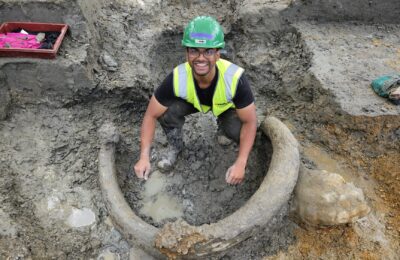
I am a palaeolithic archaeologist specialised on human-environment interactions and lithic technology. My primary regions of study are the Levant and lately also central Europe, where I focus on homo sapiens settlement patterns, mobility, lithic technology and raw material use. I have studied at Cologne University in Germany until my PhD in 2019 on Levantine Upper Palaeolithic settlement patterns. From there I spend two years at the Rhenish Heritage Management focusing on copy editing and public relations. Then I moved to Israel for a Postdoc at the W.F. Albright Institute of Archaeology in Jerusalem, where I studied Levantine Aurignacian Carinated cores before spending another two years at the Department of Bible Studies, Archaeology and the Ancient Near East at Ben Gurion University in Beer Sheva. There I had a number of projects on Upper Palaeolithic flint raw material use. Since 2022 I am at the Austrian Academy of Science in the research group Quaternary Archaeology. Lately my projects focus on Lower Austria, the well-known site of Kammern-Grubgraben and my new site of Gobelsburg-Rossgraben, where we found a mammoth-killsite in a wine cellar.  

Department of Evolutionary Anthropology (DEA) Members

Jana Naomi VOGLMAYR

I am currently a PhD student at the Department of Evolutionary Anthropology at the University of Vienna. After completing my bachelor’s degree in biology with focus on physical anthropology, I obtained my master’s degree at the University of Vienna, specializing in dental anthropology combined with 3D imaging and geometric morphometrics. During my master’s studies, I spent four years working for an excavation company and took part in various archaeological excavations across multiple time periods. In my PhD project, I am focusing on dental morphology using virtual anthropology techniques and geometric morphometric methods, with a particular emphasis on tooth shape types and their relationship to sex and origin.

The Austrian Academy of Sciences (ÖAW) Members

Leslie QUADE

I am a bioarchaeologist and palaeopathologist, specialising in interdisciplinary analyses of stress and health from human skeletal remains. My research is focused on the ‘stress’ hormone cortisol in living and past populations, and the impact of cultural, sociopolitical and environmental disparities on child and adult health. I am further interested in trauma, health and living conditions in 18th-20th century military settings. I have a BA from Columbia University, an MSc and PhD from Durham University, and I completed a postdoc at Masaryk University in 2023. I have also worked as a contract osteologist in Austria, Czechia, France, Italy, the UK and USA. I am currently a postdoctoral researcher at the department of Prehistory and WANA Archaeology in the Austrian Archaeological Institute, where I am investigating stress markers and cortisol in teeth. This research is supported by a FWF & OeAW “Disruptive Innovation - Early Career Seed Money” grant. In early 2025, I will begin a Marie Sklodowska-Curie Postdoctoral Fellowship also focusing on dental cortisol methods.  
Vienna Institute for Archaeological Science (VIAS) Members

Martin FERA

I specialize in archaeological prospection and cultural heritage documentation, with extensive experience in interdisciplinary projects across Europe and North Africa. My roles include serving as technical field director for the long-term VIAS project at the Bronze and Iron Age settlement in Schwarzenbach and overseeing fieldwork at a New Kingdom pharaonic town and cemetery on Sai Island, Sudan.   In international collaborations, I have contributed to pioneering new methods in landscape archaeology, focusing on remote sensing and geographic information systems (GIS). I aim to integrate geoarchaeological methods, bridging the micro and macro scales from landscape analysis to detailed excavation work. As a lecturer at the University of Vienna, I teach courses in geomatics and data management, equipping students with essential skills for modern archaeological research.

Natural History Museum Vienna (NHM) Members

Kayleigh SAUNDERSON

I am a textile archaeologist primarily conducting research at the Archaeological Textiles Lab at the Natural History Museum Vienna from a wide variety of periods and regions. My focus ranges from fibres to reconstructions, meaning that I investigate raw materials of fibres and using scanning electron microscopy as well as possible trace elements of mordants for dyes. By researching thousands of textiles up to now in the Lab, we have been able to create massive datasets on the technological data of textiles, which allow for relevant statistical analyses. Furthermore, I work with experimental and public archaeology, reconstructing textiles/clothing and presenting our research and our knowledge of past identities to the public, whereby communicating current topics of the textile industry with its environmental and social impacts are of importance.

Department of Evolutionary Anthropology (DEA) Members

Konstantina CHESHMEDZHIEVA

I am currently a PhD student in the Department of Evolutionary Anthropology at the University of Vienna. I hold a Bachelor's degree in Biotechnology Engineering from the University of Food Technologies in Plovdiv, Bulgaria. Driven by my interests in anthropology and genetics, I earned my MSc in Molecular Biology (Bioinformatics track) from the University of Padua in 2023. My master’s thesis centered on developing a novel method for estimating and detecting statistically significant levels of genetic assortative mating in contemporary European populations, utilizing large-scale data from the UK and Estonian biobanks.   Under the supervision of Katerina Douka and Martin Kuhlwilm, my current research focuses on identifying Denisovan presence in Island Southeast Asia and Oceania, generating ancient DNA data from the region and conducting bioinformatic analyses.
Department of Evolutionary Anthropology (DEA) Members

Manasij Pal CHOWDHURY

I am an archaeological scientist specialising in paleoproteomics, primarily focusing on the recovery and analysis of proteins from archaeological bones and ceramic remains. I am interested in the use of proteomics to understand a range of archaeological questions, including faunal identification, the exploitation of various natural resources, ancient diet and diseases, and how ancient diet and patterns in resource consumption can be used to study socio-economic stratification and various forms of inequality and social structure in antiquity. I am also interested in the various post-translational modifications in proteins as a result of the various diagenetic processes involved, and the study of the fundamental processes involved in the preservation of proteins in archaeological substrates. A chemist by training, I graduated from St. Stephen’s College, University of Delhi with a BSc Hons. degree in Chemistry and was awarded a MSc in Chemistry from The University of Manchester. In 2023, I completed my PhD in Bioarchaeology from the University of Manchester, and am currently a postdoctoral researcher in the Douka Paleoproteomics and ZooMS laboratory in the Department of Evolutionary Anthropology at the University of Vienna.

Department of Prehistoric and Historical Archaeology (IUHA) Members

Maximilian PINIEL

Maximilian Piniel is a university assistant (Praedoc) at the University of Vienna. As a prehistorian and archaeobotanist, his research focuses on the material culture of the European metal ages and on the human-environment relationships of prehistoric societies. He completed his Bachelor and Master studies at the University of Vienna. In his doctorate, he is currently working on agriculture and plant-based diet during the Early and Middle Bronze Age on the Upper and Middle Danube.    

Department of Prehistoric and Historical Archaeology (IUHA) Members

Lukas WALTENBERGER

I am a postdoctoral researcher at the Department of Prehistoric and Historical Archaeology and at the Department of Prehistory and WANA Archaeology, of the Austrian Archaeological Institute. I am a biological and forensic anthropologist with a research focus on cremated human remains, trauma analyses, and palaeopathology. I have a master's degree in Forensic Osteology (Bournemouth University, UK) and a PhD in Life Sciences (University of Vienna) performed in the framework of the ERC-project »VAMOS – The value of mothers to society« (ÖAW, PI: Katharina Rebay-Salisbury). Currently, I am spokesman of the working group »Palaeoanthropology and Prehistoric Anthropology« of the Anthropological Society (GfA).

Vienna Institute for Archaeological Science (VIAS) Members

Gabriele SCHARRER-LIŠKA

Gabriele Scharrer-Liška was educated at the University of Vienna (M.A. in 1994, PhD in 1999). Since 19959 she has been employed at the Vienna Institute for Archaeological Sciences (VIAS) focusing at social, economic and landscape archaeological issues of the Mediaeval Period in Central Europe.    

Department of Evolutionary Anthropology (DEA) Members Allgemein

Arne BIELKE

After I started studying biology at Leibniz University Hannover, I developed an interest in population genetics, conservation genetics, and ecology. Driven this passion, I pursued my education in evolutionary systems biology at the University of Vienna. For my master's thesis, I focused on recurrent ecotype formation of an alpine plant. I conducted a comprehensive analysis of smRNA profiles from reciprocally transplanted individuals and those grown in a common garden. Currently, for my PhD, my research focuses on New Zealand feral horses. Through bioinformatic and comparative population genomics, my goal is to provide science- based insights for future conservation management plans. This endeavor aims to preserve the historical and cultural heritage of New Zealand's European settlers through studying their horses, as human history has always shaped and been shaped by the history of our livestock’s.

Natural History Museum Vienna (NHM) Members

Nicole GRUNSTRA

I am an evolutionary anthropologist and morphometrician. I obtained a PhD in Biological Anthropology from the University of Cambridge and am currently based at the Department of Evolutionary Biology at the University of Vienna as an ESPRIT fellow. I am interested in which sense the human lineage is unique and in which sense we are “just another unique species.” Central to my research, therefore, is placing human evolution in a wider comparative and theoretical biology context. I study complex traits such as the pelvis, cranium, inner ear, and the entire dentition. Currently, my main research focus is on the study of evolutionary trade-offs in the human and non-human placental mammalian pelvis in pursuit of understanding what constrains human pelvic canal size and flexibility, leading to a tight fit and difficult childbirth (an "obstetrical dilemma"). I lead an FWF-funded project devoted to this question, in which I aim to disentangle the relative contributions of reproduction, locomotion, posture, body mass support, and phylogenetic heritage in hard and soft tissue anatomy of the mammalian, including human, pelvis.  

Vienna Institute for Archaeological Science (VIAS) Members

Roland FILZWIESER

Roland Filzwieser is a postdoctoral researcher in archaeological prospection, landscape archaeology, medieval history, and digital humanities at the Vienna Institute for Archaeological Science (VIAS). He is specialized in geophysical prospection and digital documentation methods in combination with historical written and cartographic sources

Department of Evolutionary Anthropology (DEA) Members Allgemein

Susanna SAWYER

Susanna is a Lise Meitner Postdoctoral Researcher at the Department of Evolutionary Anthropology at the University of Vienna. She completed her PhD under Svante Pääbo on genomic insights into Denisovans and Neandertals of Denisova Cave. She joined the department in 2018 and has focused on a wide range of ancient DNA questions. She is particularly interested in ancient epigenetics and the effect of maternal behavior on methylation signals during gestation in ancient human populations. In 2023 she will begin a new project on human ancient DNA analyses from sediments.

Department of Evolutionary Anthropology (DEA) Members

Michelle HÄMMERLE

I am a PhD student at the Department of Evolutionary Anthropology at the University of Vienna. After a bachelor’s degree in Molecular Medicine, I completed the master's program in Evolutionary Anthropology here in Vienna. My research interests focus on ancient host and pathogen DNA and I work with both great apes and humans. For my master’s thesis, I investigated DNA viruses in great apes, where I am still doing more research. My PhD project deals with social genomics in underprivileged individuals from Northern Italy, where I will incorporate different datasets, including archaeological and osteological data, to get an insight into the living conditions of the populations studied.

Natural History Museum Vienna (NHM) Members

Konstantina SALIARI

Konstantina Saliari is the curator of the Archeological Zoological Collection at the Natural History Museum Vienna. She took her Master´s degree in archaeology with the specialization in archaeozoology from the National and Kapodistrian University of Athens in 2012 and her PhD in archaeozoology from the University of Vienna in 2017. Konstantina Saliari has carried out archaeozoological analysis of animal remains from the Palaeolithic, Neolithic, Bronze and Iron Ages, as well as from the Roman, Early Medieval and Medieval periods. Her main research topics include husbandry strategies, socio-economic and environmental aspects, aiming at connecting different research fields and the dissemination of archaeozoological methods and results to academic and public audience.

Department of Evolutionary Anthropology (DEA) Members

Thomas BEARD

I am a PhD candidate in the Department of Evolutionary Anthropology as part of Mareike Stahlschmidt’s team. I received my Masters degree from the University of the Witwatersrand, South Africa. For my MSc I worked at the site of Border Cave, South Africa, using the geoarchaeological techniques of fabric and facies analyses to understand the formation of the upper portion of the archaeological sequence. I am a geoarchaeologist, with a specific interest in investigating micro- to macroscale cave/rockshelter site formation processes and employing a multiproxy approach, using methods such as XRF, particle size analysis, and fabric analysis. I am also a multidisciplinary archaeologist and have a generalised knowledge of other archaeological fields. For my PhD I am pivoting into microarchaeology by using the technique of micromorphology to understand and contextualize the preservation of ancient DNA at the microscale at Upper Palaeolithic cave sites in Georgia.

Department of Evolutionary Anthropology (DEA) Members

Emily PIGOTT

I am a PhD student at the Department of Evolutionary Anthropology, The Higham lab. My background is in Archaeological Sciences, which I obtained a bachelor’s degree at the University of Bradford, before being a commercial archaeologist for a few years in England, Ireland and Germany. My master’s degree is from Ludwig Maximilian University of Munich, in Paleobiology and Geobiology. My master’s thesis was concentrated on using microfossils and isotopes for further understanding the paleo-environment on Paleolithic sites in Lower Austria. My PhD with the Higham lab will involve using different dating techniques and methods to further understand hominins movements, interactions and extinctions in the Middle to Upper Paleolithic across Eurasia.

Department of Evolutionary Anthropology (DEA) Members

Mike STOROZUM

I received my Ph.D. from Washington University in St. Louis, USA, in 2017 and since then I have held post-doctoral research fellowships at the Earth Observatory of Singapore, Fudan University, the Max Planck Institute for the Science of Human History, Hebrew University of Jerusalem, and Newcastle University. I am interested in questions related to human-environmental interactions, site formation processes, and climate change.

Department of Evolutionary Anthropology (DEA) Members

Sojung HAN

I am a postdoctoral researcher in the Computational Admixture Genomics group. My primary interests are understanding the evolutionary history and the genetic background of species-specific traits of primates, in particular of chimpanzees and bonobos, the closest extant species of humans. I am using bioinformatics approaches, and am trying to investigate not only the host genomic materials but also pathogens and environmental context in this endeavor.

Department of Evolutionary Anthropology (DEA) Members

Aigerim RYMBEKOVA

I am a biologist and obtained a Master degree working on population genomics of multiple species including horses, dogs and date palms at University of Bologna. Currently, I am a PhD student in Computational Admixture Genomics group at the University of Vienna. My research interests involve computational approaches to study population history in humans and great apes, particularly admixture between populations.

The Austrian Academy of Sciences (ÖAW) Department of Prehistoric and Historical Archaeology (IUHA) Members

Ana M. HERRERO CORRAL

Dr. Ana M. Herrero Corral is a Marie-Curie postdoctoral researcher at the Department of Prehistory and WANA Archaeology, of the Austrian Archaeological Institute. She has a master's degree in Physical Anthropology and a PhD in Prehistory from Universidad Complutense de Madrid (Spain). Her main research focuses on the social role that children of recent prehistory would have within their communities through the bioarchaeological analysis of the funerary record. During her Marie-Curie project she will explore biological and non-biological kinship relationships between children and adults buried together in multiple graves of recent prehistory Iberia. Since 2017 has been part of the Humanejos research project, one of the most important cemeteries of the III and II millennium BC in Iberia, financed by the Spanish Ministry of Culture. Out of an output of over 30 academic publications, those more relevant include: Herrero et al. 2019 The Inheritors: Bell Beaker Children’s Tombs in Iberia and their Social Context, Cintas and Herrero 2020 Missing prehistoric women? Sex ratio as an indicator for analyzing the population of Iberia from the 8th to the 3rd millennia B.C, or the recently published book (Herrero 2022) Bioarchaeological analysis of child burials from the III and II millennium BC in the upper and middle basins of the Tagus.

The Austrian Academy of Sciences (ÖAW) Members

Viola SCHMID

I am a postdoctoral researcher in the research group Quaternary Archaeology at the Department of Prehistory & West Asian/Northeast African Archaeology of the Austrian Archaeological Institute of the Austrian Academy of Sciences. Since my master’s, I focus on lithic technological developments in the southern African Stone Age. In 2019, I finished my PhD on the C-A layers of Sibhudu Cave (KwaZulu-Natal, South Africa) in the light of the MSA lithic technologies in MIS 5 with "magna cum laude" in a joint doctoral programme at the Universities of Tübingen and Paris Nanterre. I started my Hertha Firnberg project ‘Time of essential changes in human history (TECH)’ in October 2022. The project concerns the analysis of lithic assemblages from three quasi-synchronous sites, Sibhudu Cave, Bushman Rock Shelter, and Rose Cottage Cave, in different biomes of South Africa. My aim is to gain a better understanding of the lithic technology, innovativeness and connectedness of past societies in South Africa during Marine Isotope Stage 5.    

Department of Evolutionary Anthropology (DEA) Members

Muhammad Bilal SHARIF

I am a Ph.D. candidate at the Department of Evolutionary Anthropology, University of Vienna. My research interest includes genomic analysis of historical and ancient populations to understand their evolutionary and demographic history. Over the course of my Master's thesis at CIRAD Montpellier France, I specialized in analyzing genomic data using bioinformatical tools especially in estimating ploidy levels, signatures of selection, kinship, and demographic history using coalescent simulations. In my current project, I am working on Roman and Celtic Equids populations using a multidisciplinary approach that involves paleogenomics, standard morphology and geometric morphometrics.